
© British Army in Hameln.com / Arnd Wöbbeking
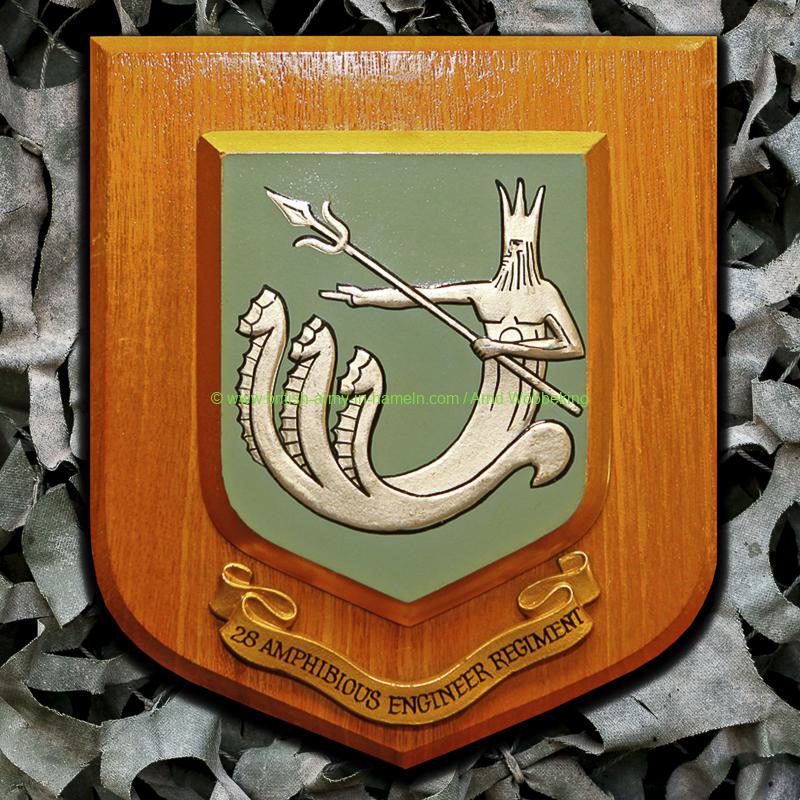
© British Army in Hameln.com / Arnd Wöbbeking
🇬🇧 1988 🇬🇧
„Armoured Engineers collaborating with Amphibious Engineers“
Memories of Mitch & Chris
(31 Armoured Engineer Squadron)
Neil Mulligan
(23 Amphibious Engineer Squadron)
I knew they existed. I had already seen pictures – blurry, barely tangible, like shadows from a bygone era. But what I sought was more than a rumour, more than vague hints. After years of research and countless dead ends, I finally came across Mitch Hayes and Chris Frith. Two men who had not only witnessed what I was searching for, but had also documented it.
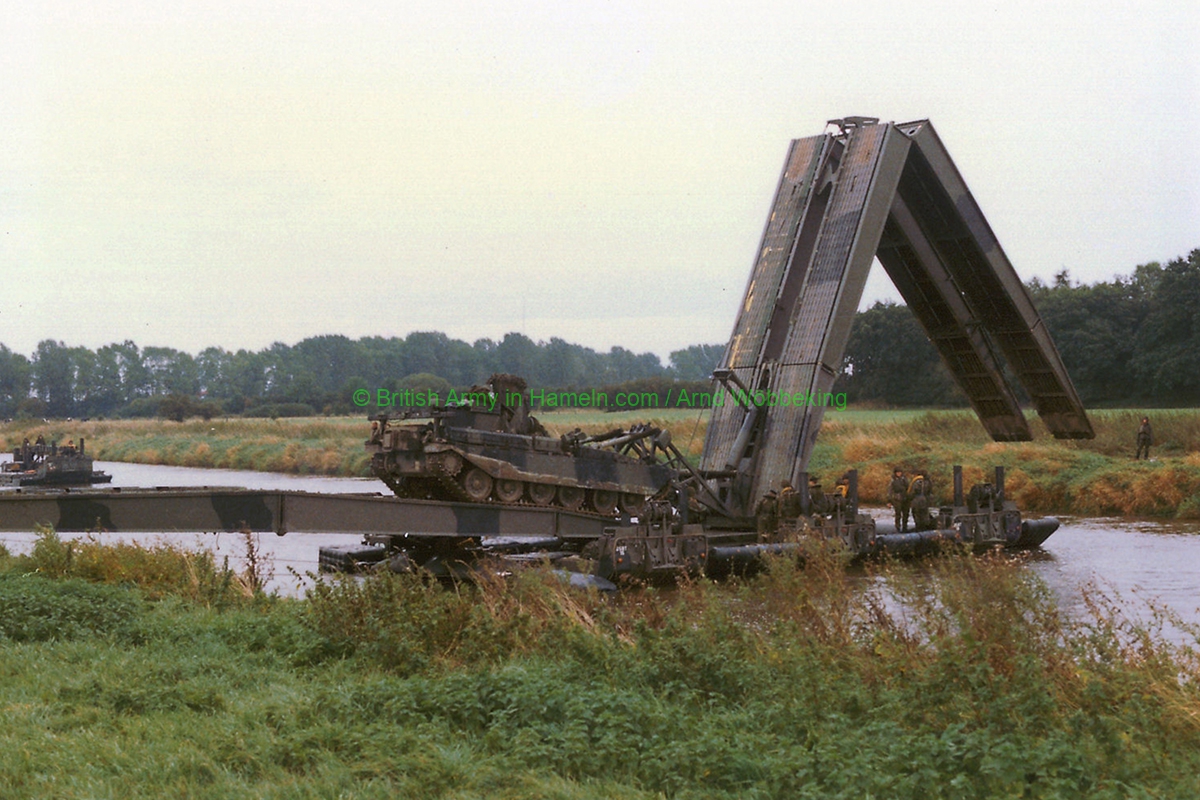
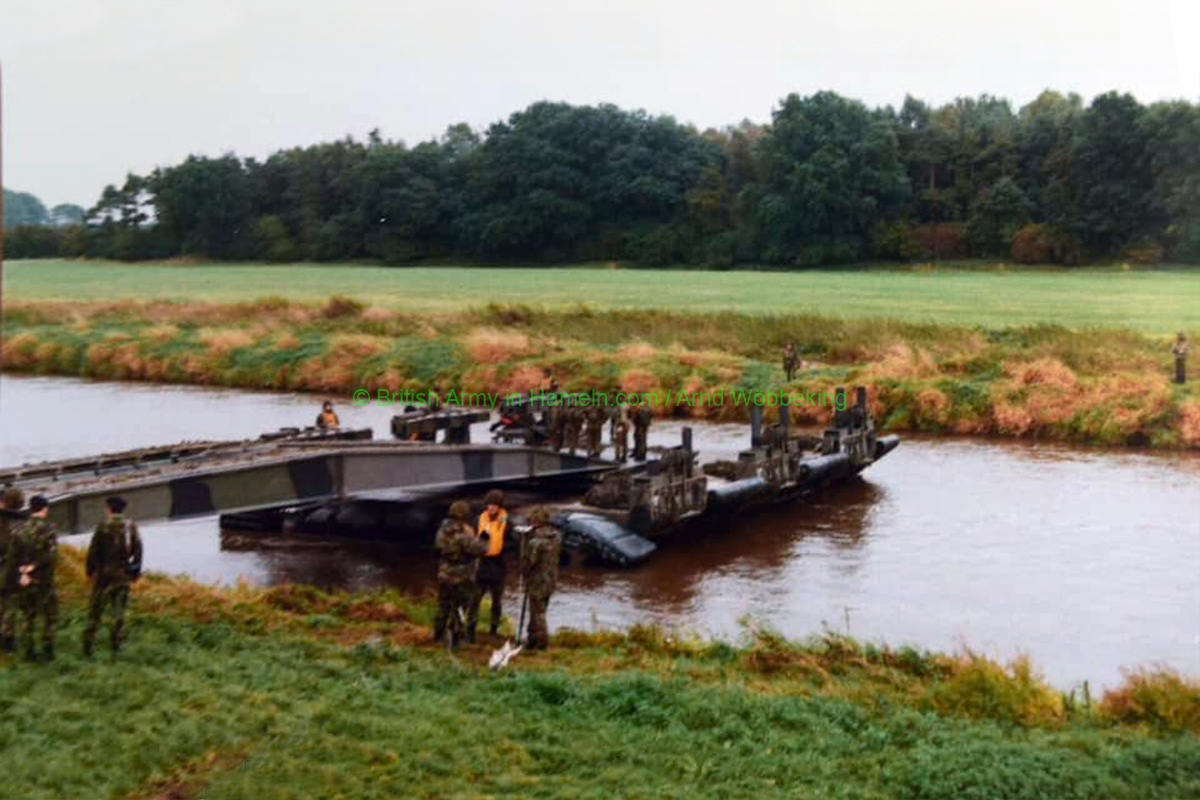
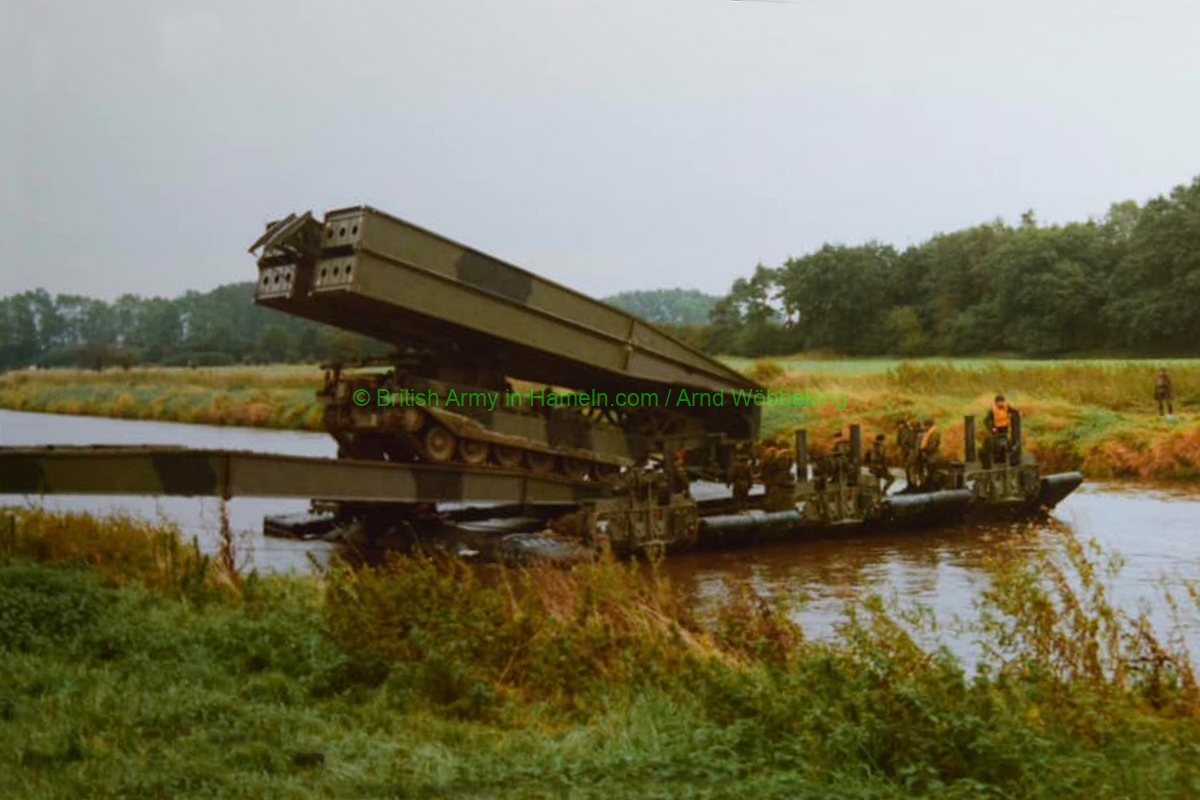
1988, they recalled, was the year. Mitch and Chris were part of the 31 Armoured Engineer Squadron, which belonged to the 32 Armoured Engineer Regiment stationed at Munsterlager. The world operated differently back then, and with it came some daring engineers. They posed a bold question: What if the M2 ferries of the Amphibious Engineers were positioned in the middle of a body of water, and the Chieftain AVLB bridge layers of the Armoured Engineers laid a bridge from the shore onto these ferries? Could a second bridge then be extended from there to reach the opposite bank? A daring, almost reckless experiment.
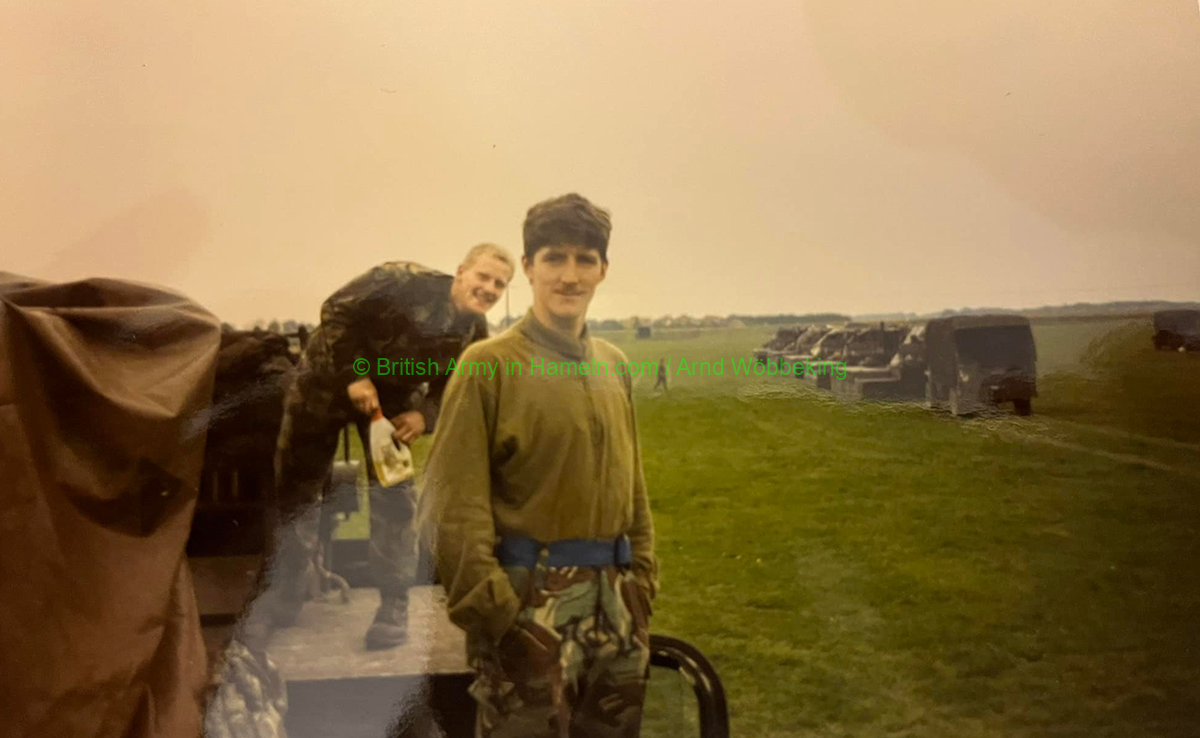
Mitch and Chris were there – both armed with cameras. Their photographs capture the moment when technology and engineering skill met. They show the tension, the anticipation, the slow advance of the machines. Steel stretching across water, and people pushing the boundaries of what was possible.
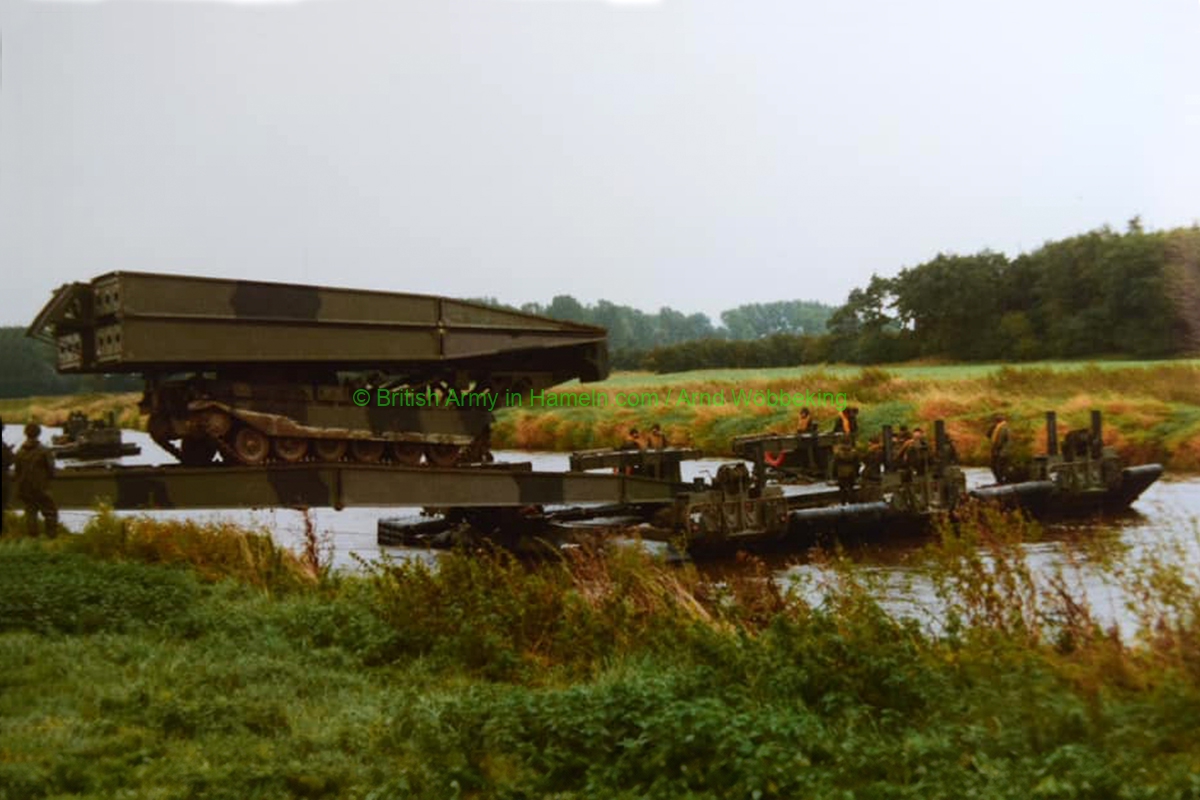
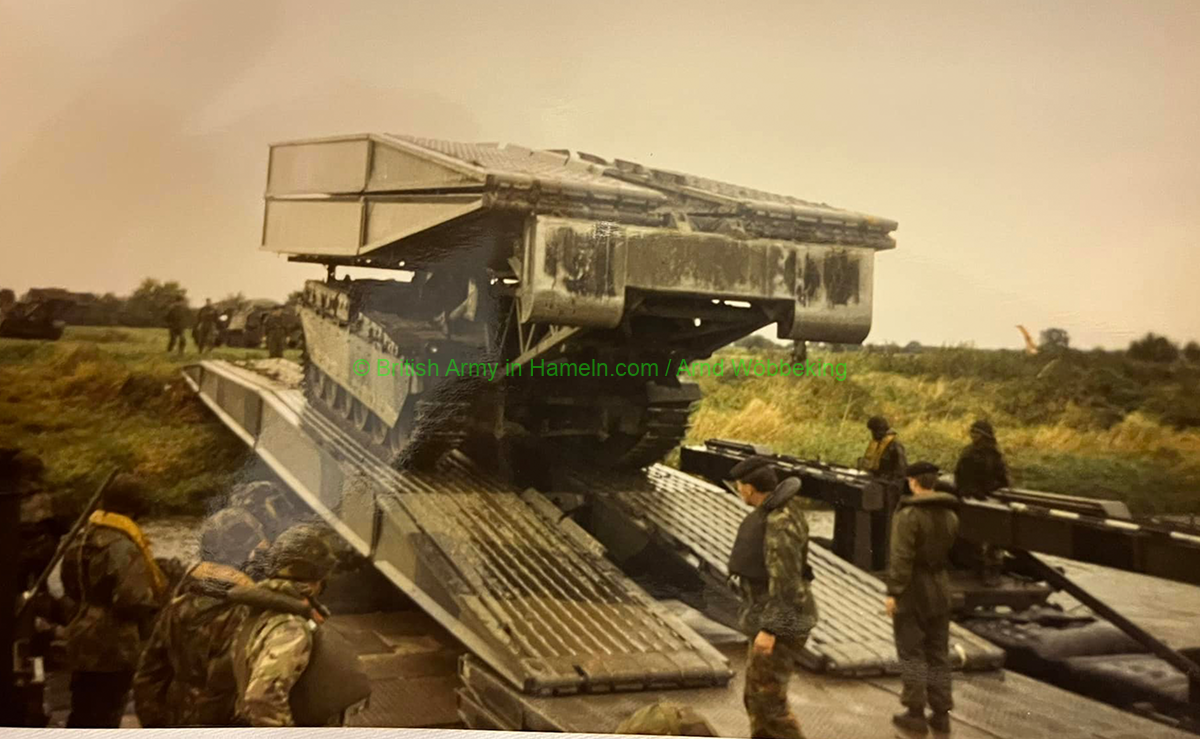
Thanks to these two men, I can share the story of this remarkable attempt with you. The 31 Armoured Engineer Squadron deployed their Chieftain AVLB to lay a No. 8 scissors bridge onto the three-coupled M2 rigs of the 28 Amphibious Engineer Regiment.
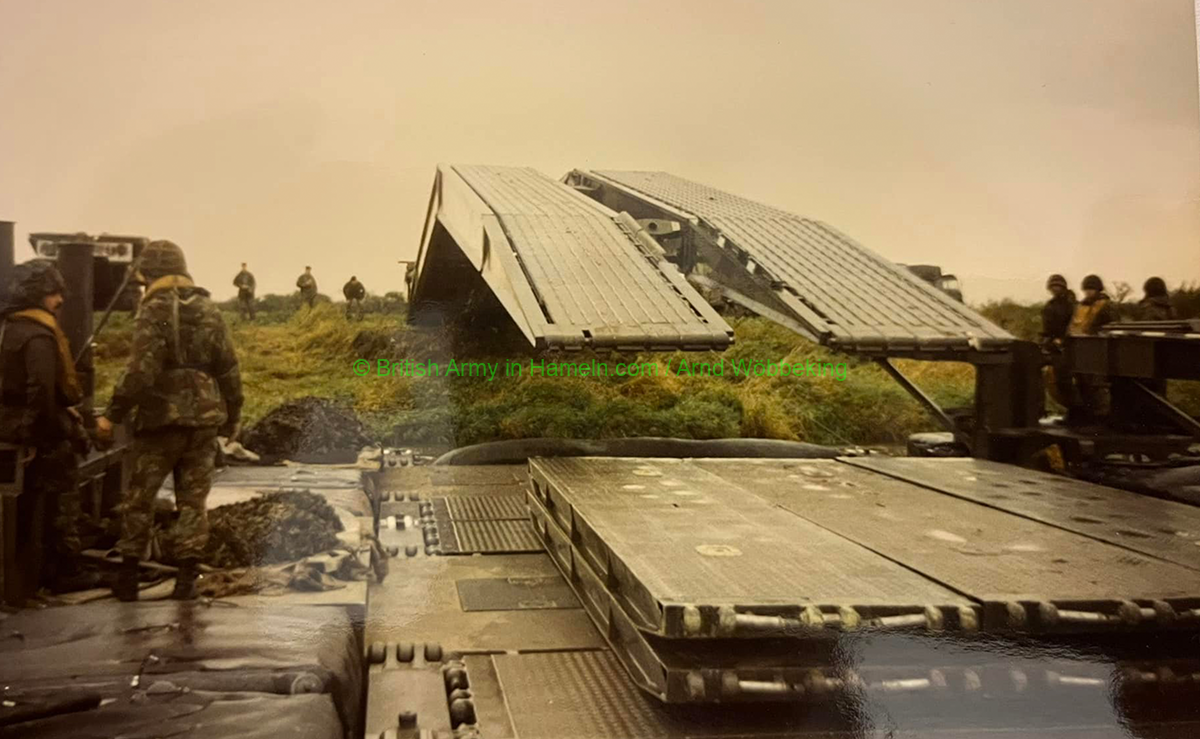
As supports, they used the ramp sections of the rigs that were laid out on the ferries to reduce the incline. Up until this point, everything was going according to plan. The AVLB crew then took a second No. 8 bridge and moved onto the first bridge that had already been laid. The pictures clearly show how the ramp sections of the M2 rigs extended the overall reach of the bridge.
But then something unexpected happened. The exact details are difficult to reconstruct today. They believe that the rigs shifted too much during the laying of the second bridge, causing them to be pressed underwater.
Although the experiment didn’t fully succeed, it was undoubtedly a spectacle to remember. Mitch and Chris later wrote that such bold ventures were only possible because the strict safety regulations we have today didn’t exist back then. It was a time when courage and adventurous spirit guided the action – more than any rule ever could.
🇩🇪 1988 🇩🇪
„Armoured work together with Amphibious Engineers“
Memories of Mitch & Chris
(31 Armoured Engineer Squadron)
Neil Mulligan
(23 Amphibious Engineer Squadron)
32 Armoured Engineer Regiment – 31 Armoured Engineer Squadron
28 Amphibious Engineer Regiment – 23 Amphibious Engineer Squadron
Ich wusste, dass es sie gab. Bilder hatte ich bereits gesehen – unscharf, kaum greifbar, wie Schatten aus einer vergangenen Epoche. Doch das, was ich suchte, war mehr als ein Gerücht, mehr als vage Hinweise. Nach Jahren der Recherche und unzähligen Sackgassen traf ich schließlich auf Mitch Hayes und Chris Frith. Zwei Männer, die das was ich suchte, nicht nur erlebt, sondern auch dokumentiert hatten.
1988, so erinnerten sie sich, war das Jahr. Mitch und Chris waren damals Teil der 31 Armoured Engineer Squadron, die zum 32 Armoured Engineer Regiment in Munsterlager gehörte. Die Welt tickte anders, und mit ihr einige mutige Engineers. Sie stellten sich eine kühne Frage: Was, wenn man die M2-Fähren der Amphibious Engineers mitten auf dem Wasser positionierte und die Chieftain AVLB-Brückenleger der Armoured Engineers von einem Ufer aus eine Brücke auf diese Fähren legten? Könnte man von dort aus eine zweite Brücke bis zum gegenüberliegenden Ufer spannen? Ein waghalsiges Experiment.
Mitch und Chris waren dabei – beide mit einer Kamera bewaffnet. Ihre Aufnahmen fangen den Moment ein, in dem Technik und Ingenieurskunst miteinander verschmelzen. Sie zeigen die Anspannung, die Erwartung, das bedächtige Vorrücken der Maschinen. Stahl, der sich über das Wasser erhebt, und Menschen, die die Grenzen des Machbaren ausloten.
Dank dieser beiden Männer kann ich euch heute von diesem außergewöhnlichen Versuch berichten. Die 31 Armoured Engineer Squadron setzte also ihren Chieftain AVLB ein, um eine No. 8 Scherenbrücke auf die zu einer Dreierföhre gekoppelten M2-Rigs des 28 Amphibious Engineer Regiments zu legen.
Als Stütze nutzten sie die Rampenteile der Rigs, die auf den Fähren ausgelegt waren, um den Neigungswinkel zu verringern. Bis hierhin lief alles nach Plan. Die Besatzung des AVLB nahm eine zweite No. 8 Brücke auf und bewegte sich auf die bereits gelegte Brücke. Auf den Bildern ist gut zu erkennen, wie die erste No.8 Brücke auf den Rampenteilen der M2-Rigs liegt.
Doch dann passierte etwas Unvorhergesehenes. Die genauen Abläufe sind heute schwer zu rekonstruieren. Sie vermuten, dass die Rigs beim Ablegen der zweiten Brücke zu stark in Bewegung gerieten und dadurch unter Wasser gedrückt wurden.
Auch wenn das Experiment am Ende nicht vollständig gelang, war es ein Spektakel, das in Erinnerung bleibt. Mitch und Chris berichteten später, dass solche riskanten Unternehmungen nur möglich waren, weil es noch nicht die heutigen strengen Sicherheitsvorschriften gab. Es war eine Zeit, in der Mut und Abenteuerlust das Geschehen prägten – mehr als jede Vorschrift.
Last updated: Februar 14, 2026 at 9:06 am



Last comments